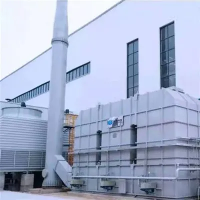
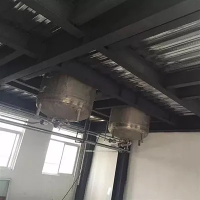
A reaction vessel, also known as a reaction tank or pressure vessel, is a closed container capable of heating, evaporation, cooling, and mixing through structural design and parameter configuration, enabling multiphase reactions such as gas-liquid, liquid-liquid, and gas-liquid-solid reactions. It is primarily used in processes such as sulfidation, nitration, hydrogenation, hydrocarbonation, polymerization, and condensation (e.g., reactors, decomposers, polymerization kettles). This equipment is widely used in petroleum, chemical, rubber, pesticide, pharmaceutical, food, coating, and biomedical industries. Common materials include carbon manganese steel, stainless steel, zirconium, nickel-based alloys, and composite materials.
The core structure of the reaction vessel consists of the vessel body, stirring device, heat transfer device, and sealing device. The reaction temperature is maintained by a jacket or coil, and a high-pressure environment is maintained by mechanical or magnetic seals. Its working principle is based on the chemical reaction of materials under specific temperature, pressure, and stirring conditions. It can be applied to heavy metal determination, new material development, sample digestion, and organic synthesis. The system can monitor parameters such as temperature and pressure in real time, with material addition accurate to the gram and temperature control precise to 0.1℃. It automatically adjusts or issues warnings when deviations occur.