

PMMA Cracking Furnace
Product overview
The PMMA Cracking Furnace (engineered as an advanced acrylic chemical recycling equipment system and MMA monomer recovery reactor) is an industrial-grade thermal depolymerization unit designed for the closed-loop chemical recycling of Poly(methyl methacrylate) (PMMA) waste. Serving as a high-efficiency PMMA recycling machine, it applies precise thermal energy in an oxygen-depleted atmosphere to induce endothermic scission of polymer chains, selectively converting solid acrylic scrap back into high-purity Methyl Methacrylate (MMA) monomer vapor.
Unlike mechanical recycling or downcycling methods, this system achieves true circular material recovery, transforming post-industrial optical plates, cast sheets, and production trim waste into virgin-grade chemical feedstocks.
-
 Ethylene Cracking FurnaceThe Ethylene Cracking Furnace, also known as a steam cracker or pyrolysis furnace, serves as the heart of any olefin production plant. Our state-of-the-art furnace designs are engineered to maximizeAdd to Inquiry
-
 Acrylic Cracking FurnaceThe resistance pyrolysis furnace is an advanced integrated device specifically designed for processing acrylic waste. It aims to convert waste into valuable MMA monomers through pyrolysis technology,Add to Inquiry
-
 PMMA Electric Cracking FurnaceThe PMMA electric pyrolysis furnace is an advanced, integrated system specifically engineered for acrylic (PMMA) waste processing. Utilizing electric resistance heating and pyrolysis technology, theAdd to Inquiry
-
 Acrylic Electric Cracking FurnaceThe Resistance Pyrolysis Furnace is an advanced, integrated system engineered specifically for the thermal decomposition of acrylic waste. Utilizing state-of-the-art pyrolysis technology, itAdd to Inquiry
-
 PMMA Resistance Cracking FurnaceAcrylic waste can be recycled to obtain MMA monomers through pyrolysis, enabling reuse in production. Currently, many pyrolysis machines on the market use oil, coal, or natural gas, causingAdd to Inquiry
-
 Acrylic Resistance Cracking FurnaceThe acrylic resistance cracking furnace is an advanced, integrated system specifically developed for the recycling and treatment of acrylic (PMMA) waste. By applying resistance-heated pyrolysisAdd to Inquiry
-
 PMMA Coal Cracking FurnaceThe PMMA coal cracking furnace is an economical and efficient organic waste treatment device. It utilizes the heat generated from coal combustion to convert organic waste such as PMMA (acrylic) intoAdd to Inquiry
-
 Acrylic Coal Cracking FurnaceThe coal-fired pyrolysis furnace is an economical and efficient organic waste treatment equipment. It utilizes the heat generated from coal combustion to convert organic waste such as PMMA (acrylic)Add to Inquiry
-
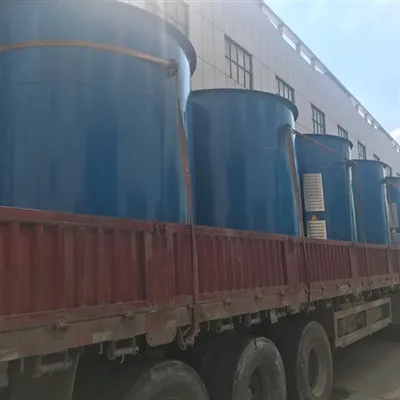 PMMA Natural Gas Cracking FurnaceThe natural gas pyrolysis furnace is an economical and efficient organic waste treatment device. It utilizes the heat generated by burning natural gas to convert organic waste such as PMMA (acrylic)Add to Inquiry
-
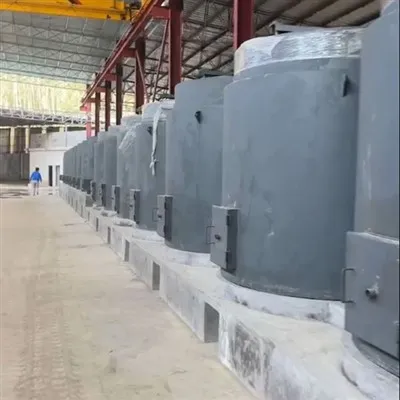 Acrylic Natural Gas Cracking FurnaceThe natural gas pyrolysis furnace is an economical and efficient organic waste treatment device. It utilizes the heat generated by burning natural gas to convert organic waste such as PMMA (acrylic)Add to Inquiry
-
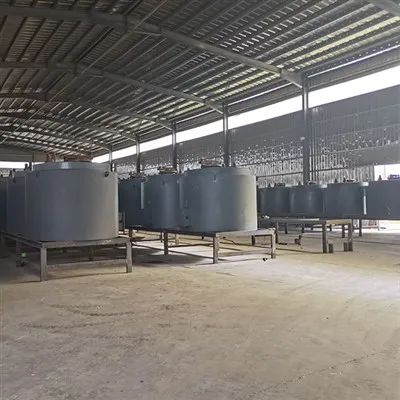 PMMA Exhaust Gas Cracking FurnaceIn the production of Polymethyl Methacrylate (PMMA), managing volatile organic compounds (VOCs) and hazardous byproducts is a critical challenge. Our PMMA Exhaust Gas Cracking Furnace is aAdd to Inquiry
-
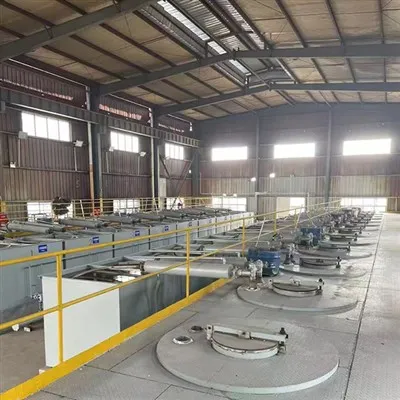 Acrylic Exhaust Gas Cracking FurnaceThe MMA waste gas pyrolysis furnace is an environmentally friendly device specifically designed to treat waste gas generated during the production of methyl methacrylate (MMA). Through combustion,Add to Inquiry


Technical Specifications
|
Parameter |
Specification Range |
|
Processing Capacity |
100 kg/batch to 2,000 kg/batch (Batch) / 500 kg/h to 3,000 kg/h (Continuous) |
|
Operating Temperature |
300 °C to 550 °C (Precision ±2 °C) |
|
Heating Method |
Electric Resistance, Thermal Oil Jacket, or Indirect Gas Firing |
|
Reactor/Shell Material |
Inconel 600, SUS310S, or Alloy 800H (Selected based on chemical resistance requirements) |
|
Operating Pressure |
Vacuum to 0.05 MPa |
|
Condensation & Recovery System |
Multi-stage fractional condensers with vacuum distillation integration |
|
Power Supply |
Customized to site requirements (380 V–690 V, 50/60 Hz, 3-Phase) |

The system integrates seamlessly into industrial chemical recycling lines via a controlled thermal conversion sequence:
Feedstock Conditioning: Solid PMMA scrap is pulverized or fed directly via automated air-lock screw conveyors into the sealed reaction chamber.
Controlled Depolymerization: Internal thermal profiles ramp up gradually to the targeted cracking window (350 °C to 450 °C). Polymer chains depolymerize into volatile monomer vapors, leaving minimal solid carbon residue.
Vapor Fractionation & Condensation: Evolving vapors pass through cyclone dust separators to trap entrained particulates before entering multi-stage fractional condensers, yielding purified liquid MMA monomer ready for re-polymerization.
Typical Applications
Post-industrial optical PMMA scrap and edge trims.
Rejected acrylic sheets from automotive and architectural manufacturing.
Demilitarized aircraft canopy scrap reclamation.
Customization & Configuration
Industrial recycling facilities require custom engineering alignment. Reactor layouts and peripheral modules are adapted to specific feedstock characteristics:
Furnace Structure:
Horizontal rotating drums for continuous char discharge, or vertical fixed-bed batch retorts for high-viscosity melts.
Heating System:
Multi-zone electrical heating elements or high-efficiency thermal fluid jackets ensuring uniform heat flux across the reactor wall.
Feeding & Discharging:
Continuous dual-stage screw feeders with nitrogen purge seals to prevent oxygen ingress; bottom or side pneumatic discharge valves for solid residue removal.
Safety, Quality Control & Manufacturing
Operating with volatile organic vapors requires rigorous safety architectures and traceable manufacturing protocols:
Process Safety: Integrated multi-point thermocouple arrays, automated nitrogen inerting interlocks, pressure relief rupture discs, and continuous residual oxygen gas analyzers (O₂ < 0.5%).
Sealing Integrity: High-temperature graphite and mechanical bellows seals tested under helium leak checks to prevent fugitive vapor emissions.
Manufacturing Standards: Reactor pressure parts are fabricated in compliance with ASME Section VIII Div. 1 or EN 13445 standards.
Quality Verification: 100% radiographic testing (RT) or ultrasonic testing (UT) on critical pressure boundary welds. Positive Material Identification (PMI) is performed on all alloy plates prior to machining. Factory acceptance testing (FAT) includes hydrostatic pressure testing and cold-run thermal calibration.
Frequently Asked Questions

Request a Technical Quotation
To receive a customized engineering proposal and preliminary mass-balance simulation for your PMMA recycling project, provide your input parameters:
Feedstock Type & Form: (e.g., Optical sheets, pellets, trim scrap)
Target Processing Capacity: (kg/batch or kg/hour)
Required Product Purity / Grade:
[Submit Your Project Specifications]
As one of the most professional PMMA cracking furnace manufacturers and suppliers in China, we have world-leading production equipment and strong manufacturing capabilities. Welcome to buy high quality PMMA cracking furnace for sale here from our factory. For price consultation, contact us.
Acrylic Resistance Cracking Furnace, electrically heated steam cracking furnaces, PMMA Tail Gas Cracking Furnace