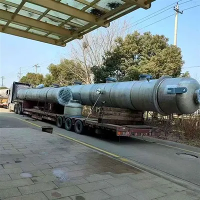
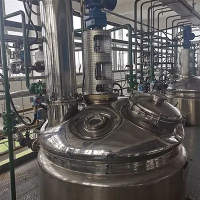
A reaction vessel is a comprehensive reaction container, designed with specific structural functions and accessory configurations based on reaction conditions. From initial feeding to reaction to discharge, the entire process can be automated to complete pre-set reaction steps, with strict control over crucial parameters such as temperature, pressure, mechanical control (stirring, aeration, etc.), and reactant/product concentrations. Its structure generally consists of a vessel body, transmission device, stirring device, heating device, cooling device, and sealing device. Corresponding auxiliary equipment includes: fractionating columns, condensers, water separators, collection tanks, and filters.
Reaction vessel materials generally include carbon manganese steel, stainless steel, zirconium, nickel-based alloys (Hastelloy, Monel), and other composite materials. Reaction vessels can be manufactured using stainless steel materials such as SUS304 and SUS316L. Stirring devices include anchor type, frame type, paddle type, turbine type, scraper type, and combined type. The rotating mechanism can use cycloidal pinwheel reducers, continuously variable speed reducers, or frequency converters to meet the special reaction requirements of various materials. Sealing devices can employ mechanical seals, packing seals, and other sealing structures. Heating and cooling systems can utilize structures such as jackets, half-pipes, coils, and Miller plates. Heating methods include steam, electric heating, and heat transfer oil to meet the process requirements of various working environments, such as acid resistance, high temperature resistance, wear resistance, and corrosion resistance. Furthermore, designs and manufacturing can be customized according to user process requirements.