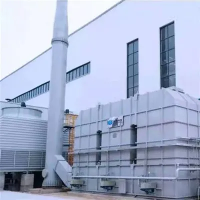
A reaction vessel is a type of reaction equipment, and extreme caution must be exercised during operation; otherwise, damage can occur due to various reasons, forcing production to halt. Several aspects of operating a reaction vessel require attention.
First, the reaction vessel must be operated strictly according to regulations.
Second, before operation, carefully inspect for any abnormalities. During normal operation, do not open the top cover or touch the terminals on the control panel to avoid electric shock; operation under pressure is strictly prohibited; during nitrogen pressure testing, carefully observe the pressure gauge changes, and immediately close the nitrogen valve once the test pressure is reached; the heating rate should not be too rapid, and pressurization should be carried out slowly, especially the stirring speed, which should only be increased slowly.
Finally, when the vessel body is heated to a high temperature, do not touch the vessel body to avoid burns; after the experiment, allow it to cool down first. Do not cool rapidly to prevent damage caused by excessive temperature and pressure differences. Disconnect the power supply promptly.
Furthermore, proper maintenance after use is essential to ensure the reaction vessel has a longer service life.